
Series TwoFour-part webinar executive series

From Spatial Intelligenceto Predictive Operations

Turning connected asset data into maintenance, resilience and investment decisions — a practical progression from completed field work to a defensible capital plan.

Aerial night view of a city infrastructure corridor with roads, substation and treatment plant

Operate It

Closing the Loop

Date: TBD 2026/27

Predict It

Before It Fails

Date: TBD 2026/27

Protect It

Service Continuity Under Pressure

Date: TBD 2026/27

Invest In It

The Defensible Capital Plan

Date: TBD 2026/27

Series overview

The first series connected the assets. This one turns that intelligence into decisions.

The first GIS at the Centre series established the foundation for a spatially intelligent asset-management ecosystem — GIS as the foundation of asset management, outdoor infrastructure and network assets, indoor spatial data and facilities, and the unified spatial platform connecting asset, condition, maintenance, risk, IoT and capital-planning information.

The follow-on series begins where that journey ends. Once a local government has connected its assets, systems and spatial information, the next challenge is turning that intelligence into better decisions.

Operate it → Predict it → Protect it → Invest in it

The four events

Each session ends with a resource guide you can fill in, print and share.

Event 01 · Operate It

Closing the Loop
Archive Video

Closing the Loop

From Asset Intelligence to Work in the Field

Date: TBD 2026/27

The executive question

How do we turn our connected asset environment into completed operational work?

Creating a unified spatial asset environment does not automatically transform daily operations.

Key topics

  • Connecting GIS, CMMS, EAM and service-request workflows
  • Establishing consistent asset identifiers across systems
  • Determining which system owns location, condition, work and financial information
  • Converting map-based observations into inspections and work orders
  • Providing mobile access to asset history and work instructions

Key takeaways

  • Design an end-to-end workflow connecting GIS, inspections, work orders and field crews.
  • Establish clear ownership of asset, condition and maintenance information.
  • Use daily field activity to continuously improve the asset record.
  • Reduce manual entry, duplicated information and disconnected departmental processes.
Public works directorsGIS directors and managersAsset-management officersMaintenance and field-operations managersFacilities directorsWater and wastewater managers

Session resource guide

Closing the Loop Workflow Guide

A fillable worksheet to map your operational cycle, assign system ownership and remove duplicate data entry. Complete it on screen, save it, print it or forward it to colleagues.

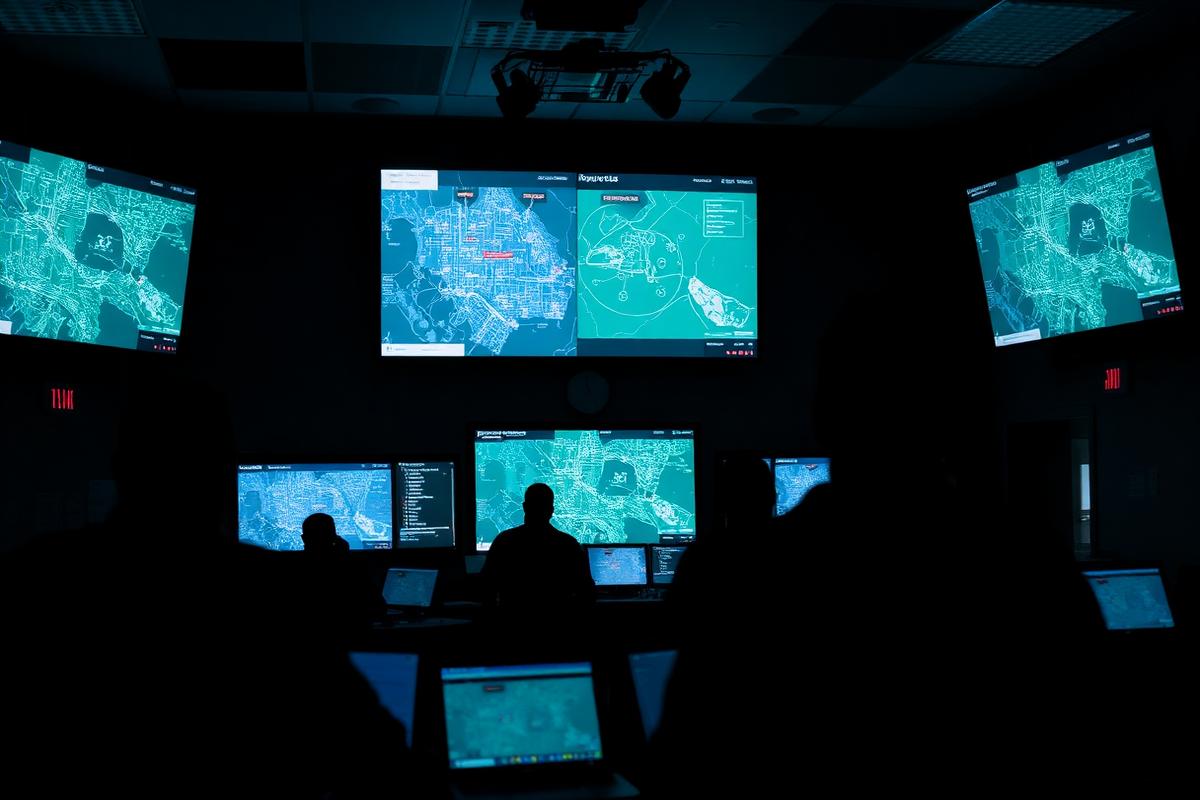
Event 02 · Predict It

Before It Fails
Archive Video

Before It Fails

Risk-Based Maintenance, IoT and Predictive Asset Intelligence

Date: TBD 2026/27

The executive question

How do we identify which assets need attention before they fail?

Not every asset in poor condition presents an immediate risk. Conversely, an asset that appears to be functioning normally may support a critical public service and have severe consequences if it fails.

Key topics

  • Moving from reactive to preventive and predictive maintenance
  • Combining asset condition, probability of failure and consequence of failure
  • Establishing asset criticality and risk scores
  • Using maintenance history to identify recurring problems
  • Selecting the right assets for sensors and remote monitoring

Key takeaways

  • Build a practical asset-risk model using condition, criticality and consequence.
  • Identify where IoT and remote monitoring will provide meaningful operational value.
  • Convert predictive warnings into prioritized inspections and work orders.
  • Introduce AI without relying on incomplete or poorly governed asset data.
Public works and engineering leadersAsset-management officersMaintenance supervisorsFacilities directorsWater and wastewater operatorsTransportation and traffic managers

Session resource guide

Risk and Predictive Maintenance Guide

A fillable worksheet to score criticality and consequence, choose where sensors pay off and turn warnings into prioritized work. Complete it on screen, save it, print it or forward it to colleagues.
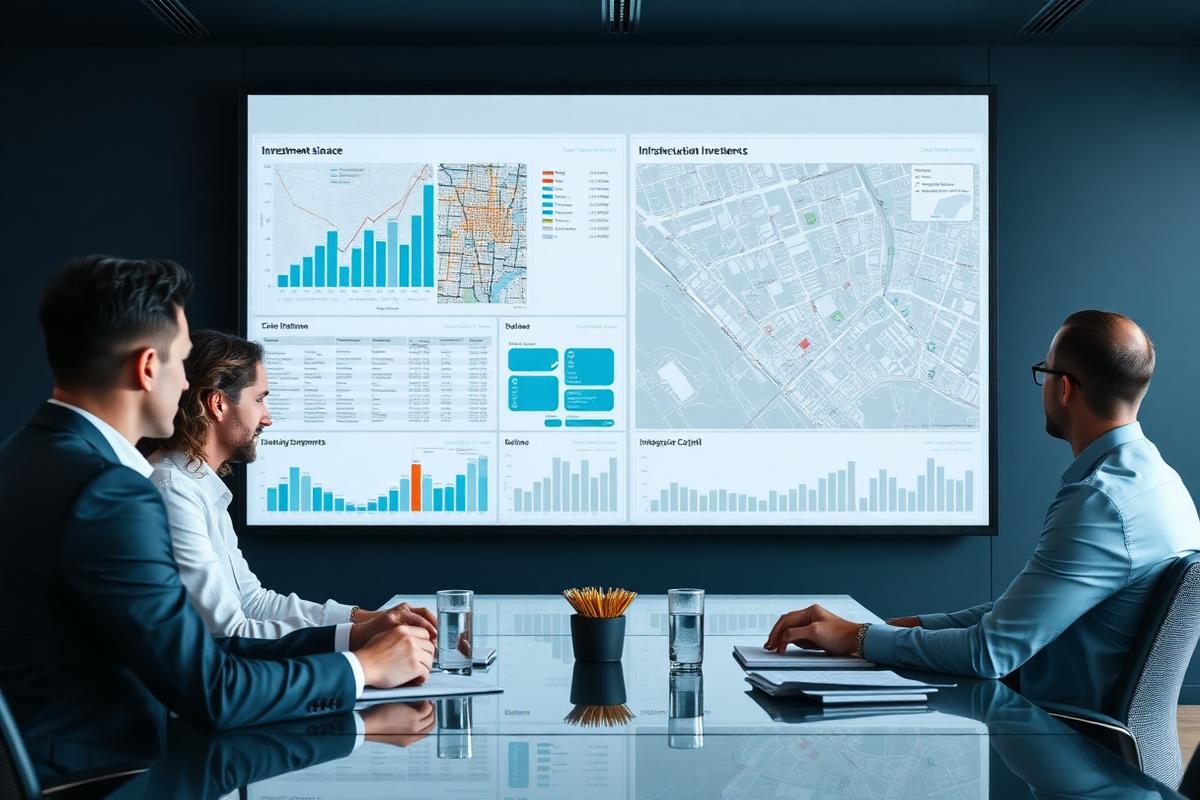
Event 03 · Protect It

Service Continuity Under Pressure
Archive Video

Service Continuity Under Pressure

Protecting Critical Infrastructure and Community Operations

Date: TBD 2026/27

The executive question

How do we protect essential public services when assets and infrastructure systems are disrupted?

Local-government assets do not operate independently.

Key topics

  • Connecting assets to the services they support
  • Identifying operational choke points and single points of failure
  • Understanding dependencies between roads, utilities, facilities and communications
  • Connecting outdoor infrastructure with indoor building systems
  • Modeling the operational effects of asset failure

Key takeaways

  • Connect individual assets to the public services and facilities they support.
  • Identify operational choke points and potential cascading disruptions.
  • Incorporate environmental exposure into maintenance and preparedness priorities.
  • Use asset intelligence to strengthen continuity and recovery planning.
City and county managersPublic works directorsEmergency managersResilience and sustainability officersWater, wastewater and stormwater leadersTransportation directors

Session resource guide

Service Continuity Dependency Guide

A fillable worksheet to map facility dependencies, find single points of failure and rehearse a disruption scenario. Complete it on screen, save it, print it or forward it to colleagues.

Event 04 · Invest In It

The Defensible Capital Plan
Archive Video

The Defensible Capital Plan

Turning Asset Risk into Funding and Renewal Decisions

Date: TBD 2026/27

The executive question

How do we decide what to fund—and explain the consequences of not funding it?

Local governments rarely have sufficient funding to address every deteriorating road, aging facility, maintenance backlog and infrastructure-renewal requirement.

Key topics

  • Connecting operational maintenance with long-term capital planning
  • Modeling deterioration and remaining useful life
  • Comparing repair, rehabilitation and replacement options
  • Understanding total lifecycle cost
  • Connecting operating budgets with capital budgets

Key takeaways

  • Translate asset condition, lifecycle and risk into capital priorities.
  • Compare the long-term effects of different funding levels.
  • Quantify the financial and service consequences of deferred investment.
  • Present a transparent capital-investment story to executives and elected officials.
City and county managersAssistant managersCFOs and finance directorsBudget officersCapital-improvement managersPublic works directors

Session resource guide

Defensible Capital Plan Guide

A fillable worksheet to build funding scenarios, quantify deferral consequences and shape the story you take to leadership. Complete it on screen, save it, print it or forward it to colleagues.

Series presenters

Practitioners and specialists leading the sessions

Every session pairs Siemens asset-management specialists with local-government practitioners who run these systems day to day.

Jennifer Perkins

Jennifer Perkins

Government Solution Specialist

Asset Management Software | Siemens

Jennifer has over 25 years in state and local government and education as a practitioner, consultant and industry advisor. She rose to CIO at the City of Boston, leading infrastructure, operations, budgeting and ERP work, and now helps public agencies use asset management as a framework for cross-departmental collaboration and long-term financial planning.

Michael Murphy

Michael Murphy

Technical Program & Product Management

PMP | CDPO | CSM | SCPO

Asset Management Software | Siemens

Mike has spent over two decades at the intersection of geospatial data, technology and practical problem-solving — using GIS not just to store or display data, but to improve data quality, enable operational workflows and support better decisions across large asset portfolios.

Annie Anand

Annie Anand

Business Process Manager

City of Fort Worth

An urban geographer and GIS professional with more than two decades of experience, Annie specializes in location intelligence and systems management across transportation, data analytics, infrastructure and asset management, making complex geospatial information accessible to planners, engineers and partner agencies.

Series deliverable

The Local Government Asset Intelligence Maturity Roadmap

A post-series report organized around five stages of maturity.

  1. 01

    Mapped

    Assets have reliable spatial records.

  2. 02

    Connected

    GIS, maintenance, condition and lifecycle systems exchange information.

  3. 03

    Operational

    Field and maintenance activity continuously improves the asset record.

  4. 04

    Predictive

    Risk, sensors and analytics guide inspections and intervention.

  5. 05

    Investment-Led

    Asset intelligence drives long-term funding and service decisions.

Recommended format

90 minutes, built around practitioners.

Each event includes at least one city, county, utility or public-agency practitioner.

5 minIntroduction and audience poll
20 minLocal-government practitioner case study
20 minStrategic framework
15 minWorkflow or scenario demonstration
25 minModerated panel and audience questions
5 minPractical next steps

Who attends

Maintenance and field operationsPublic works leadershipFacilities and utilitiesEmergency managementFinance and budgetingCity and county managementCapital-program leadershipPublic-safety departmentsGIS and asset management

Bring predictive asset operations to your organization.

Connect operational workflows, predict asset risk, protect public services and model lifecycle investment.